
wellions
WELLIONS are educational wellbeing insights, not medical advice. Please see our disclaimer for details.
What is a wellion?
Wellions are akin to stocks and shares , the more active Wellions you have in your HIP (Healthspan Investment Portfolio ) the better chances you have of extending your Healthspan.
These are tips that have some scientific backing that may help you keep your HIP active and brimming.
As new evidence emerges the Wellions page will be updated. The hope is that this list will give you some ideas as to what to try for your own personal goals.
the difference between Lifespan and Healthspan
The WHO has developed a measure for Healthspan, it’s called HALE, it’s a bit complex. For example the Lifespan of an American is around 79 yrs while the Healthspan is 66 yrs, so the average American might spend almost 15 yrs of ones life in an unhealthy state .
So the driving force for Wellionaires is to figure out how to invest to improve both Lifespan and Healthspan. I take age 45 ( some would argue we need to start in utero )as a starting point for focusing on a future Healthspan as thats the time senescecent cells start to accumulate in greater numbers. This is an evolving project.But one that is definitely taking up more traction post Covid Era, when it has become clear that one needs to take greater responsibility for ones health going forwards. Governments can’t always cope, as they must concentrate on catering for the masses rather than the individual. Our aim at the Wellionaires Club is to empower and encourage the individual.
Wellion 19
Dr D’S Pineapple Skin Syrup - DRY IRRITABLE COUGHs
Used as an add on to routine therapy.
One Tablespoon of the above mixture 3-4 times a day.
Always consult your healthcare physician if your cough is not settling.
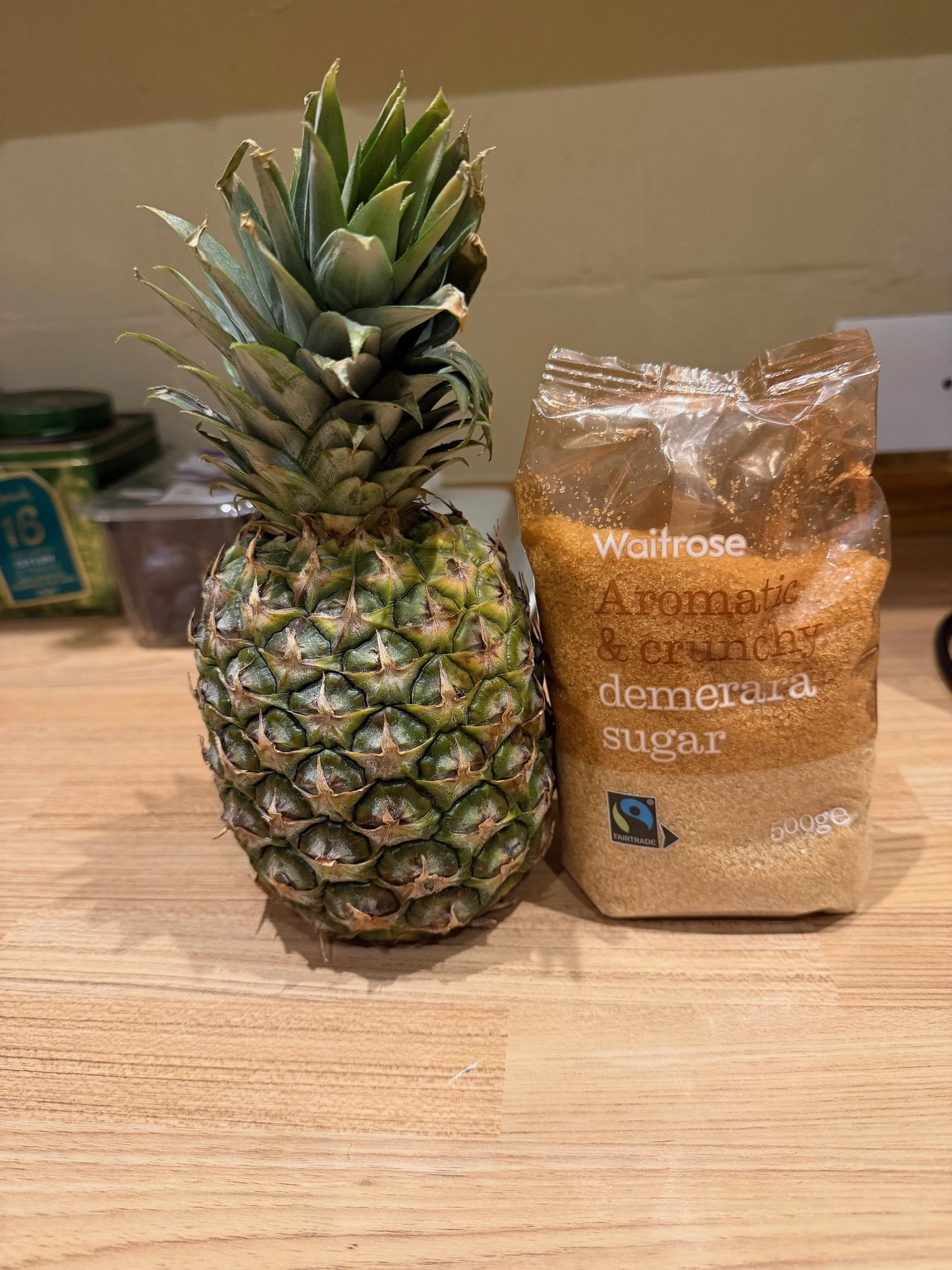
Ingredients
Whole pineapple and Demerara sugar and Honey.
The pineapple skin contains the highest concentration of bromelain.
Wash the outside skin well to remove any dirt and pesticides

Slice the skin as in photo, you only need the skin as thats where the most Bromelain resides.

Baste the flesh side of the skin with Demera sugar and leave to sit for 20 mins
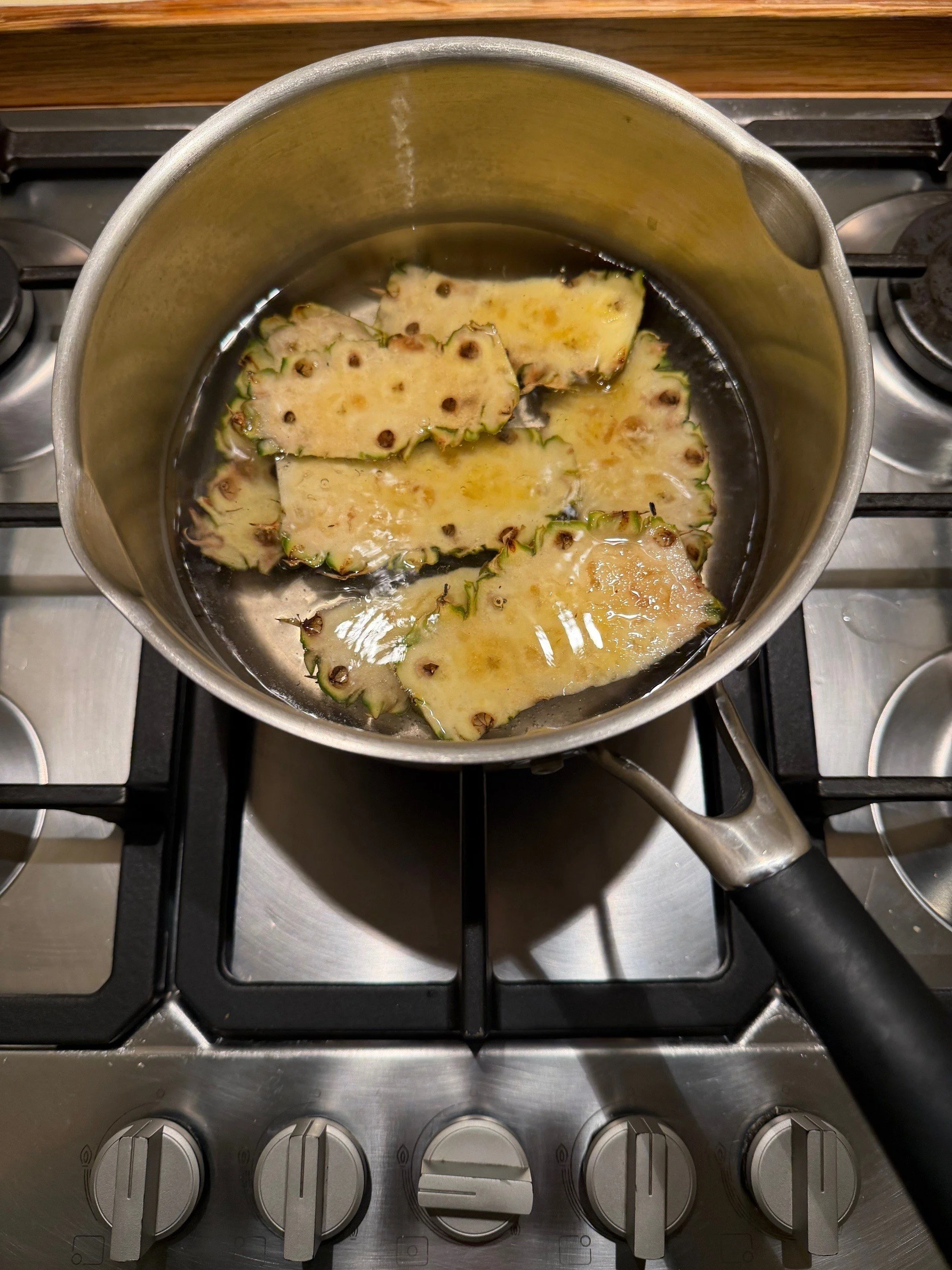
Bring to boil and then let simmer for 40 mins. At this stage add in 2 tablespoons of Demerera sugar and in the last 10 mins of simmering you should add to tablespoons of honey
Allow to cool and strain it.
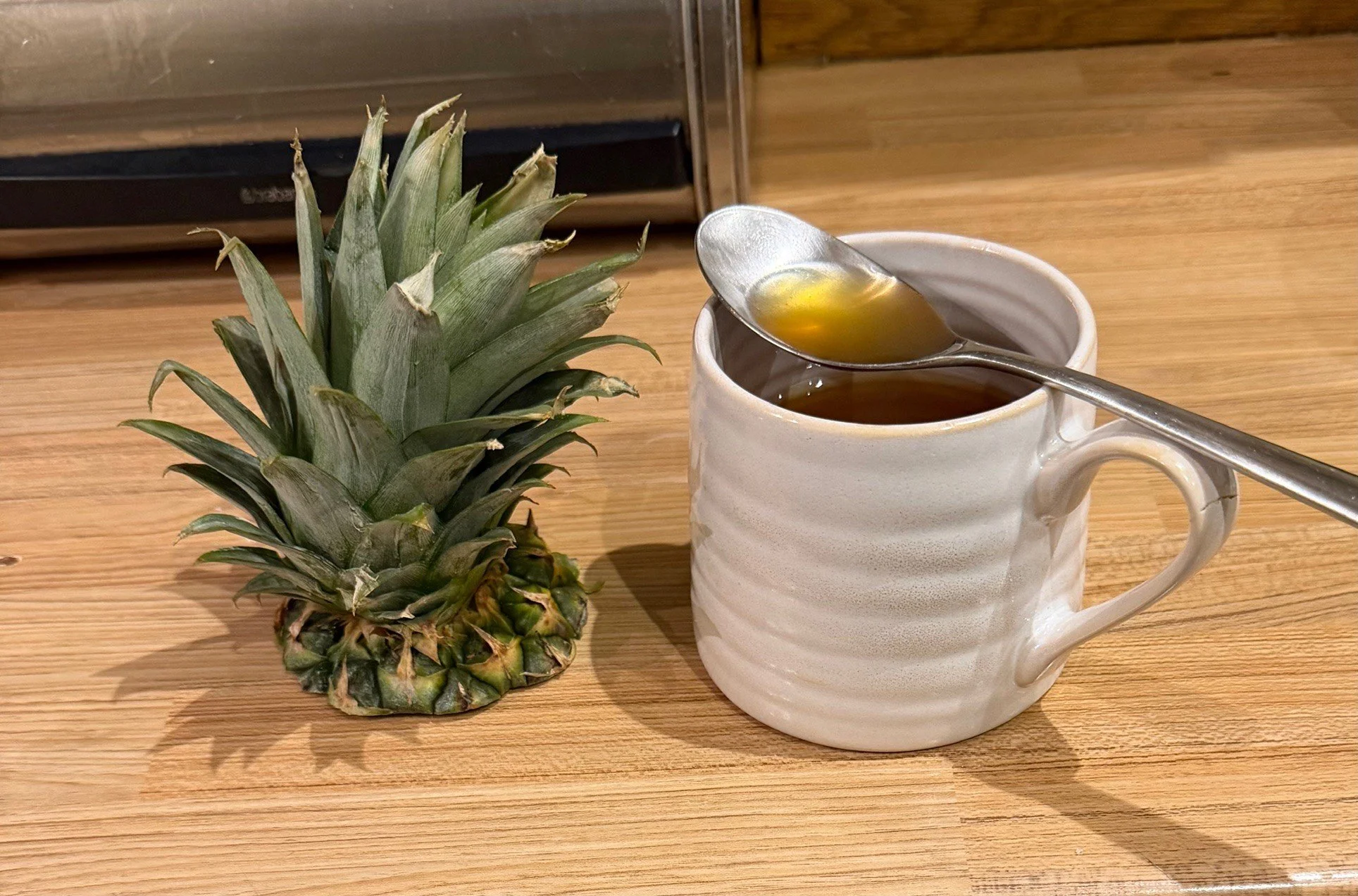
This recipe gives a good cup of sweet tasting syrup . It will store in fridge for 3 days
Science Note: Bromelain
Bromelain is a mixture of proteolytic enzymes derived from Ananas comosus (pineapple), with the highest enzymatic activity found in the stem and skin.
Proposed mechanisms
Anti-inflammatory (modulates prostaglandins, bradykinin)
Mucolytic (breaks down mucus proteins)
Immune signalling modulation (cytokine activity)
These properties make bromelain biologically plausible for:
Post-viral cough
Sinus congestion
Soft-tissue inflammation
Dosage context
Commercial supplements: 200–500 mg bromelain, 1–3× daily
This Wellion provides a food-level, non-pharmacological exposure
Positioned as:
Supportive nutrition, not drug therapy
Safety
Avoid or use caution in:
Pineapple allergy
Concurrent anticoagulant / antiplatelet therapy
Pregnancy (supplement-level doses not advised)
References
Maurer HR. Bromelain: biochemistry, pharmacology and medical use.Cell Mol Life Sci. 2001;58(9):1234–1245.
Pavan R et al. Properties and therapeutic application of bromelain: a review.Biotechnol Res Int. 2012;2012:976203.
Taussig SJ, Batkin S. Bromelain, the enzyme complex of pineapple (Ananas comosus).Phytochemistry. 1988;27(7):1939–1943.
Secor ER et al. Bromelain exerts anti-inflammatory effects in airway disease models.Cell Immunol. 2005;237(1):68–75.
Kelly GS. Bromelain: a literature review and discussion of its therapeutic applications.Altern Med Rev. 1996;1(4):243–25
The goodness is often in the part we discard.
Wellion 3
Glutamine for Leaky Gut
This is a safe and simple approach to IBS/Leaky gut. Glutamine powder is available on line. Usually start with 5 grammes once a day for a week and then build to twice a day for a week and then three times daily. As long as you are tolerating it continue for another 6 weeks and then stop and reassess.
The Journal of Neurogastroenterology
Randomised placebo-controlled trial of dietary glutamine supplements for postinfectious irritable bowel syndrome
Correspondence to Dr G Nicholas Verne, Department of Medicine, Tulane University School of Medicine, New Orleans, LA 70112-2699, USA; gverne@tulane.edu
Abstract
Background More effective treatments are needed for patients with postinfectious, diarrhoea-predominant, irritable bowel syndrome (IBS-D). Accordingly, we conducted a randomised, double-blind, placebo-controlled, 8-week-long trial to assess the efficacy and safety of oral glutamine therapy in patients who developed IBS-D with increased intestinal permeability following an enteric infection.
Methods Eligible adults were randomised to glutamine (5 g/t.i.d.) or placebo for 8 weeks. The primary end point was a reduction of ≥50 points on the Irritable Bowel Syndrome Severity Scoring System (IBS-SS). Secondary endpoints included: raw IBS-SS scores, changes in daily bowel movement frequency, stool form (Bristol Stool Scale) and intestinal permeability.
Results Fifty-four glutamine and 52 placebo subjects completed the 8-week study. The primary endpoint occurred in 43 (79.6%) in the glutamine group and 3 (5.8%) in the placebo group (a 14-fold difference). Glutamine also reduced all secondary endpoint means: IBS-SS score at 8 weeks (301 vs 181, p<0.0001), daily bowel movement frequency (5.4 vs 2.9±1.0, p<0.0001), Bristol Stool Scale (6.5 vs 3.9, p<0.0001) and intestinal permeability (0.11 vs 0.05; p<0.0001). ‘Intestinal hyperpermeability’ (elevated urinary lactulose/mannitol ratios) was normalised in the glutamine but not the control group. Adverse events and rates of study-drug discontinuation were low and similar in the two groups. No serious adverse events were observed.
Conclusions In patients with IBS-D with intestinal hyperpermeability following an enteric infection, oral dietary glutamine supplements dramatically and safely reduced all major IBS-related endpoints. Large randomised clinical trials (RCTs) should now be done to validate these findings, assess quality of life benefits and explore pharmacological mechanisms.
Trial registration numberNCT1414244; Results.
wELLION 17
Dr D’S Flutea
Why it Works:
Dr D’s Flutea is made of ingredients that have been used from the beginning of recorded history to help combat infection and build immunity.
Garlic is an anti-oxidant that contains a compound called Allicin, which has potent medical properties. It is high in Manganese, Vitamin B6, Vitamin C, and Selenium, and it also has some Calcium, Copper, Potassium, Phosphorus, Iron, and Vitamin B1.
Ginger is also an anti-oxidant, with anti-inflammatory properties. It reduces muscle pain and soreness and is used in both traditional and alternative medicine.
Limes are considered a superfood for diabetes, but also provide Vitamin C, Calcium, Iron, Potassium, Copper, Magnesium and Phosphorus.
Finally, honey has anti-bacterial, anti-fungal properties because bees add an enzyme that makes hydrogen peroxide to the honey. It soothes coughs, and promotes sleep. It also works as a probiotic, because of the friendly bacteria in the honey.
How it Works:
Take a pint of water, 2 limes, 4 cloves of garlic, and bring it to the boil for ten minutes. Then simmer, and add several slices of ginger. Let the Flutea cool down, and then serve with honey. Take three times a day, and let nature work its magic!
Wellion 31
How to Practice Cyclic Sighing
Sit comfortably and soften facial tension.
Inhale gently through the nose—about 70–80% lung capacity.
Take a second, deeper inhale through the nose to fully expand lungs.
Slowly exhale through the mouth—as long as possible, like breathing through a straw.
Repeat the cycle for about 5 minutes once daily.
Practice for 28–30 consecutive days to experience maximal mood and anxiety benefits PMC+8clergyreligionresearch.duke.edu+8Stanford Medicine Magazine+8Psychology Today.
Mechanism (Why It Works)
Double inhale increases oxygen and deepens lung expansion, while:
The extended exhale activates the parasympathetic ("rest-and-digest") nervous system via the vagus nerve, inducing relaxation and lowering respiratory rate Psychology Today+4clergyreligionresearch.duke.edu+4PMC+4.
Interoceptive awareness of your own breathing may also help regulate emotion and stress through autonomic pathways PMC.
Paper titled 'Brief Structured Respiration Practices Enhance Mood and Reduce Physiological Arousal”, published in Cell Reports Medicine, January 2023.
Wellion 8
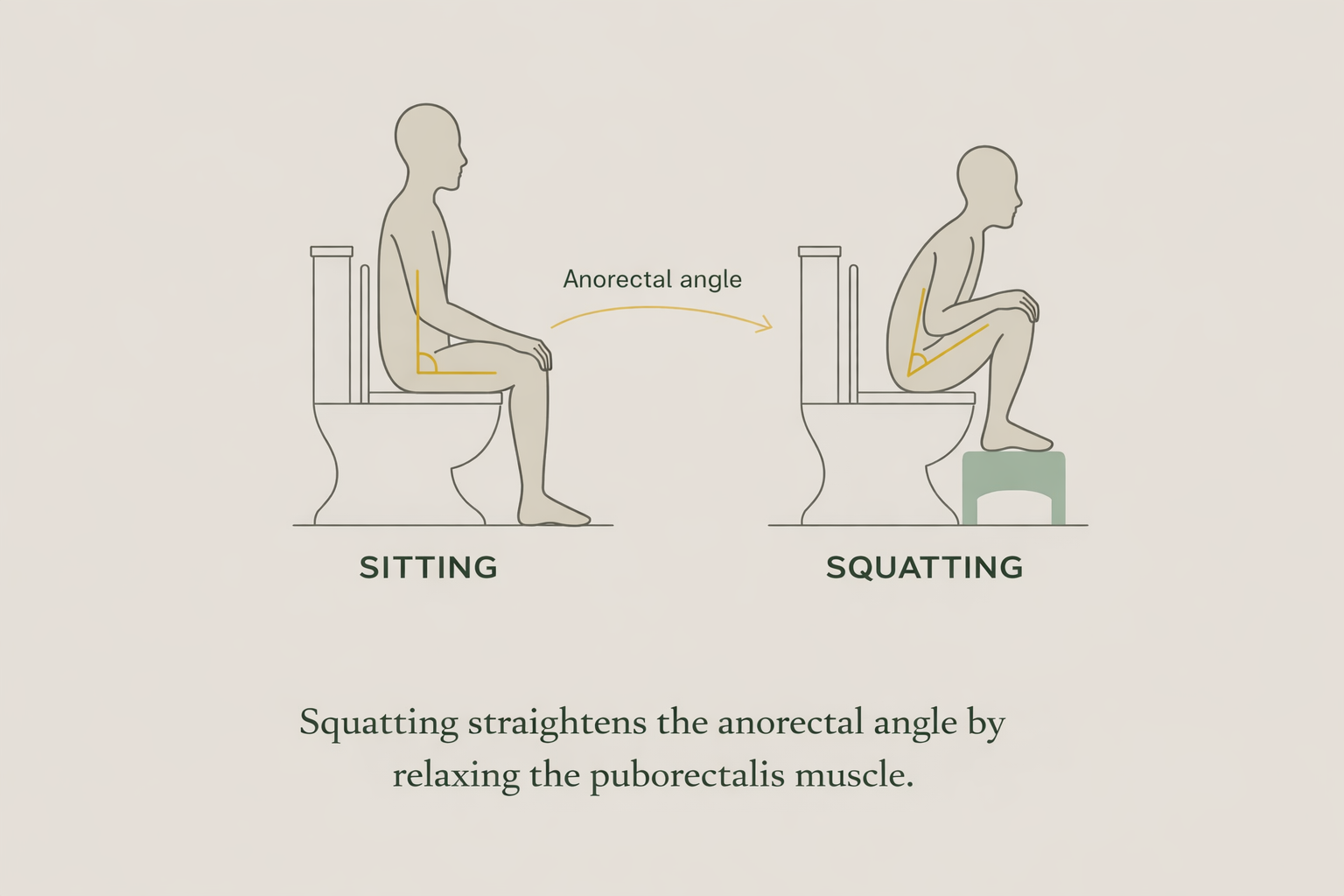
Use a footstool in the bathroom to improve bowel emptying and reduce constipation
Using a small footstool under the feet while sitting on the toilet raises the knees above hip level and mimics a more natural squatting posture. This straightens the anorectal angle, allowing the pelvic floor muscles to relax and making bowel opening easier and more complete.
This simple positional change can reduce straining, shorten time spent on the toilet, and improve the feeling of complete emptying.
It is particularly helpful for people over 45, where constipation is commonly influenced by reduced gut motility, pelvic floor dysfunction, medications, and reduced abdominal muscle strength.
Footstools are widely used in Japan and Brazil, where squatting or semi-squatting postures for defecation are culturally normal and long-established.
Sometimes the smartest investment in your Healthspan isn’t a supplement — it’s a change in position.
Wellion 61
Bruxism, Sleep Posture & Under‑Eye Bags
This Wellionaires Club summary outlines how grinding (bruxism), caffeine intake, neck posture, and sleep positioning contribute to under‑eye puffiness — and how simple interventions, including the towel‑pillow method, can significantly reduce morning eye bags. Always consult with your healthcare provider when making any changes in lifestye
1. Why Grinding Leads to Under‑Eye Bags
Bruxism tightens the jaw, temples, and neck muscles, disrupting the facial lymphatic and venous drainage pathways. This contributes to:
Morning under‑eye puffiness
Facial congestion
Heavier or tired appearance on waking
Grinding also causes micro‑arousals, elevates cortisol, and increases sinus/maxillary pressure — all of which worsen overnight fluid retention beneath the eyes.
2. The Impact of Caffeine
Caffeine can exacerbate grinding by:
Increasing sympathetic tone (fight‑or‑flight)
Elevating jaw tension
Disrupting sleep cycles
Increasing stress hormone levels
Caffeine taken after midday is strongly linked with nocturnal bruxism and morning facial puffiness.
3. The Neck–Jaw–Drainage Connection
Tight SCMs, scalenes, and deep neck muscles — common in bruxism — compress lymphatic pathways. Forward head posture, often caused by high pillows, further impairs drainage from the face and eyes.
4. The Towel‑Pillow Method
A folded towel keeps the head and neck in a natural, neutral anatomical position. This reduces:
Grinding intensity
Neck and jaw tension
Compression of facial structures during side‑sleeping
Fluid accumulation beneath the eyes
5. Additional Wellionaires Strategies
Magnesium glycinate 200–400 mg in the evening to relax jaw muscles.
De caffeinate for at least 6 weeks to see. Careful when stopping caffeine, do it gradually to avoid withdrawal headache.
Gentle morning lymphatic drainage of face → jaw → collarbones.
Perform light masseter and temporalis stretching before bed.
6. Signs of Improvement
Reduced morning under‑eye puffiness
• Less jaw tightness on waking
• Improved sleep continuity
• Fewer tension headaches
• Brighter, more refreshed facial appearance
Wellion 88
Understanding Your Omega-3 & Omega-6 Results
A guide to your ARA/EPA ratio and simple steps to rebalance it
Your recent bloodwork measured the balance between two essential fats: omega-6 (ARA) andomega-3 (EPA). Most people eating a typical Western diet run low in omega-3 and high in omega-6, which can tip the body toward a more inflammatory state. The good news: this ratio responds well to simple food and lifestyle changes.
YOUR ARA/EPA RATIO:
Optimal target range: 1.5-3.0
A healthy balance
<1.5 (Low ratio): omega-3 (EPA) dominant
>3.0 (High ratio): omega-6 (ARA) dominant
Boost Omega-3 Intake
Foods to INCREASE
• Oily fish 2-3x/week: salmon, mackerel, sardines, anchovies
• Chia or flaxseeds
• Walnuts
• Extra virgin olive and avocado oil
• Omega-3 enriched eggs

Lower Excess Omega-6
Foods to REDUCE
• Fried and fast food
• Refined vegetable oils: sunflower, corn, soybean, grapeseed
• Processed/cured meats
• Shop brought pastries, biscuits and processed snacks
Everyday habits that help
Cook with olive oil rather than seed/vegetable oils.
Aim for 2 portions of oily fish weekly, or a daily EPA/DHA supplement if you
don't eat fish.
Read labels: 'vegetable oil' blends are usually high in omega-6.
Pair supplements with a meal containing some fat for better absorption
NEXT STEPS:
Follow the specific supplement dose noted on your results letter, and retest your levels in 3months.
Questions about your results or diet plan? Speak with your Wellionaires clinician.
Wellion 3
Glutamine for Leaky Gut
This is a safe and simple approach to IBS/Leaky gut.
Glutamine powder is available on line.
Usually start with 5 grammes once a day for a week and then build to twice a day for a week and then three times daily.
As long as you are tolerating it continue for another 6 weeks and then stop and reassess.
The Journal of Neurogastroenterology
Randomised placebo-controlled trial of dietary glutamine supplements for postinfectious irritable bowel syndrome
Correspondence to Dr G Nicholas Verne, Department of Medicine, Tulane University School of Medicine, New Orleans, LA 70112-2699, USA; gverne@tulane.edu
Abstract
Background More effective treatments are needed for patients with postinfectious, diarrhoea-predominant, irritable bowel syndrome (IBS-D). Accordingly, we conducted a randomised, double-blind, placebo-controlled, 8-week-long trial to assess the efficacy and safety of oral glutamine therapy in patients who developed IBS-D with increased intestinal permeability following an enteric infection.
Methods Eligible adults were randomised to glutamine (5 g/t.i.d.) or placebo for 8 weeks. The primary end point was a reduction of ≥50 points on the Irritable Bowel Syndrome Severity Scoring System (IBS-SS). Secondary endpoints included: raw IBS-SS scores, changes in daily bowel movement frequency, stool form (Bristol Stool Scale) and intestinal permeability.
Results Fifty-four glutamine and 52 placebo subjects completed the 8-week study. The primary endpoint occurred in 43 (79.6%) in the glutamine group and 3 (5.8%) in the placebo group (a 14-fold difference). Glutamine also reduced all secondary endpoint means: IBS-SS score at 8 weeks (301 vs 181, p<0.0001), daily bowel movement frequency (5.4 vs 2.9±1.0, p<0.0001), Bristol Stool Scale (6.5 vs 3.9, p<0.0001) and intestinal permeability (0.11 vs 0.05; p<0.0001). ‘Intestinal hyperpermeability’ (elevated urinary lactulose/mannitol ratios) was normalised in the glutamine but not the control group. Adverse events and rates of study-drug discontinuation were low and similar in the two groups. No serious adverse events were observed.
Conclusions In patients with IBS-D with intestinal hyperpermeability following an enteric infection, oral dietary glutamine supplements dramatically and safely reduced all major IBS-related endpoints. Large randomised clinical trials (RCTs) should now be done to validate these findings, assess quality of life benefits and explore pharmacological mechanisms.
Trial registration numberNCT1414244; Results.
Wellion 32
LefT OVER RIGHT: USING YOUR NON-DOMINANT HAND
The human brain is a remarkable organ full of networks and pathways. Our brains learn, and improve, the more mentally stimulated they are. As people get older, they may start to lose their memory, or fine motor skill activity. Stimulating the brain, helping it adapt and continuously rewire itself, can effectively ‘exercise’ it, and help it stay as resilient as possible. One way to do that is to use our non-dominant hand in a variety of scenarios.
Why it Works:
The more you use your brain, the better it functions. It is not a static organ. It is constantly adapting and rewiring and firing off new neurons. Using your opposite hand will help encourage new networks and neurons to develop in the brain and keep it stimulated. If your brain were a car, you would keep it well-oiled so it stayed in optimum condition. Using your non-dominant hand helps your brain do exactly that.
How it Works:
You can use your non-dominant hand in a variety of scenarios, but one easy way is to clean your teeth with your non-dominant hand. It will be difficult at first, and feel strange, but it becomes easier with time. You can also try practicing writing with your non-dominant hand. It will be awkward and clunky at first, but over time, your brain will learn a new skill at it will become easier. Just don’t use your non-dominant hand to write any letters or sign any official documents!
Wellion 27
Using red light filters on iphones and ipads or other devices for at least 4 hours before sleep helps activate melatonin and prepare you for sleep. You can set your Apple device to simply turn on the filter. To activate a red light filter (or red-tinted screen) on your phone in the evening to support melatonin production and sleep, follow the steps for your i phone device type below:
Step 1: Enable "Color Filters" in Accessibility
Go to Settings → Accessibility → Display & Text Size → Color Filters.
Turn Color Filters ON.
Scroll down and tap Color Tint.
Set:
Intensity: Slide to the maximum.
Hue: Slide all the way to the left (deep red).
Step 2: Add a Shortcut for Easy Activation
Go to Settings → Accessibility → Accessibility Shortcut (scroll to the bottom).
Select Color Filters.
Now, triple-click the side or home button to toggle the red light filter on/off anytime.
Android
Option 1: Use Night Light (built-in blue light filter)
Go to Settings → Display → Night Light or Eye Comfort Shield.
Turn it ON or schedule it to activate automatically (e.g., sunset to sunrise).
On some phones, you can adjust the warmth (slide it toward more red).
Option 2: Use Developer Settings for Full Red Tint (Advanced)
Go to Settings → About phone → Tap Build number 7 times to unlock Developer Options.
Go back to Settings → System → Developer Options.
Scroll to Simulate color space → Select Monochromacy or experiment with red-dominant settings (note: options are limited depending on phone model).
Option 3: Use a Red Light Filter App
If your Android phone doesn’t support full red tint:
Try apps like Twilight, Blue Light Filter, or Red Moon from the Play Store.
These allow you to schedule a red filter and control intensity.
Wellion 31
How to Practice Cyclic Sighing
Sit comfortably and soften facial tension.
Inhale gently through the nose—about 70–80% lung capacity.
Take a second, deeper inhale through the nose to fully expand lungs.
Slowly exhale through the mouth—as long as possible, like breathing through a straw.
Repeat the cycle for about 5 minutes once daily.
Practice for 28–30 consecutive days to experience maximal mood and anxiety benefits PMC+8clergyreligionresearch.duke.edu+8Stanford Medicine Magazine+8Psychology Today.
Mechanism (Why It Works)
Double inhale increases oxygen and deepens lung expansion, while:
The extended exhale activates the parasympathetic ("rest-and-digest") nervous system via the vagus nerve, inducing relaxation and lowering respiratory rate Psychology Today+4clergyreligionresearch.duke.edu+4PMC+4.
Interoceptive awareness of your own breathing may also help regulate emotion and stress through autonomic pathways PMC.
Paper titled 'Brief Structured Respiration Practices Enhance Mood and Reduce Physiological Arousal”, published in Cell Reports Medicine, January 2023.
Wellion 24
GLYCINE 5g · MAGNESIUM 375mg · PASSIFLORA · NIGHTLY
THE SLEEPERS DRAUGHT
“Sleep is not a passive state. It is the most powerful neurological, hormonal, and cellular repair process your body performs — and three targeted compounds can meaningfully deepen it."
Poor sleep is not simply tiredness. It is the upstream cause of impaired immune function, elevated cortisol, insulin resistance, accelerated cognitive decline, and reduced life expectancy. The evidence is unambiguous: sleep quality is one of the highest-leverage variables in human health. Yet most people accept broken, shallow, or insufficient sleep as inevitable. This Wellion details a three-compound nightly draught — glycine 5g, magnesium 375mg, and Passiflora incarnata (passionflower) capsules — each with independent clinical evidence for improving sleep onset, depth, and quality. Used together, they address multiple physiological pathways simultaneously, with an excellent safety profile and no dependency risk.
THE DRAUGHT AT A GLANCE
I. WHY THREE COMPOUNDS?
Sleep regulation involves multiple biological systems: core body temperature, GABAergic inhibitory tone, glutamate excitability, and circadian hormone timing. No single compound addresses all of these. Glycine targets thermoregulation and NMDA receptors; magnesium modulates GABA and blocks NMDA; Passiflora enhances GABAergic activity via a distinct flavonoid mechanism. The combination is synergistic without being sedative or habit-forming.
II. TIMING & ADMINISTRATION
All three compounds are taken 30–60 minutes before bed. Glycine is best dissolved in water or juice. Magnesium glycinate or bisglycinate is the preferred form — highest bioavailability, lowest laxative effect. Passiflora is taken as a standardised capsule (typically 300–400mg dried extract). No food required. Alcohol should be avoided as it disrupts REM architecture independently.
III. GLYCINE 5g — THERMOREGULATION & SLEEP DEPTH
Glycine is a non-essential amino acid and inhibitory neurotransmitter. Oral supplementation of 3–5g before sleep has been shown in randomised controlled trials (Inagawa et al., 2006; Bannai et al., 2012) to reduce core body temperature via peripheral vasodilation — a key trigger for sleep onset — and to increase slow-wave (deep) sleep without altering REM architecture. Subjects reported significantly reduced daytime fatigue and improved subjective sleep quality. Mechanism: glycine acts on NMDA receptors in the suprachiasmatic nucleus and promotes cutaneous blood flow, accelerating the core temperature drop that signals sleep readiness to the brain.
IV. MAGNESIUM 375mg — GABA TONE & NERVOUS SYSTEM CALM
Magnesium is a cofactor in over 300 enzymatic reactions and the body's primary physiological calcium antagonist. In the central nervous system, magnesium blocks NMDA glutamate receptors (reducing excitatory tone) and potentiates GABA-A receptors (increasing inhibitory tone) — the same receptor complex targeted by benzodiazepines, but via an entirely natural, non-habit-forming mechanism. Abbasi et al. (2012) demonstrated that magnesium supplementation in deficient older adults significantly improved sleep time, sleep efficiency, early morning awakening, and insomnia severity scores. The EU reference intake is 375mg/day — a threshold widely unmet in modern diets due to soil depletion and reduced whole-food consumption.
V. PASSIFLORA INCARNATA — GABAergic ANXIOLYSIS & SLEEP ONSET
Passiflora incarnata (passionflower) contains flavonoids — principally chrysin and vitexin — that act as partial agonists at GABA-A benzodiazepine binding sites, reducing anxiety and promoting sleep onset without the sedative overhang of pharmaceutical agents. Ngan & Conduit (2011) demonstrated in a double-blind crossover RCT that nightly passionflower tea significantly improved subjective sleep quality scores versus placebo. Akhondzadeh et al. (2001) found Passiflora extract comparable to oxazepam for generalised anxiety disorder with fewer side effects. Unlike benzodiazepines, Passiflora does not suppress REM sleep and carries no known dependency risk at therapeutic doses.
"Glycine cools the body. Magnesium quiets the nervous system. Passiflora eases the anxious mind. Together, they prepare every layer of your biology for deep, restorative sleep."
— THE WELLIONAIRES CLUB
SAFETY & DOSAGE GUIDE
Glycine 5g: Extensively studied. No adverse effects reported at doses up to 60g/day in safety trials. GRAS (Generally Recognised as Safe) status. Safe for long-term nightly use. Not contraindicated with any common medications.
Magnesium 375mg: The EU recommended daily intake. Laxative effect possible at higher doses — use glycinate or bisglycinate form to minimise. Caution in severe renal impairment. Otherwise safe for long-term daily use. May slightly lower blood pressure.
Passiflora 300–400mg extract: Well-tolerated in clinical trials. Mild sedative effect — do not drive after taking. Avoid combining with prescription benzodiazepines or barbiturates. Not recommended in pregnancy. Otherwise an excellent safety record across published literature.
The combination: No known adverse interactions between these three compounds. The draught is not habit-forming and does not suppress natural sleep architecture. If taking prescription sleep medications, consult your physician before adding this draught.
Your Nightly Protocol
60 minutes before bed: dissolve 5g of glycine powder in a small glass of water or diluted juice. Glycine has a mildly sweet taste and is easily tolerable.
Take magnesium glycinate or bisglycinate 375mg with water. If using magnesium oxide or citrate, be aware of the higher laxative potential at this dose.
Take one Passiflora incarnata capsule (300–400mg standardised extract). Look for products standardised to flavonoid content — not just dried herb.
Dim your environment. The draught works in synergy with reduced light exposure. Blue light suppresses melatonin and counteracts the thermoregulatory benefits of glycine. Use warm lighting or screen filters from this point.
Keep your bedroom cool: 16–19°C is optimal. Glycine accelerates the core temperature drop required for sleep onset — a cool room amplifies this effect significantly.
Allow 7–9 hours. These compounds support sleep architecture. Give your body the time to cycle through the deep and REM stages they facilitate. Cutting sleep short negates the benefits of the draught.
Consistency matters. The full benefit of magnesium supplementation in particular accumulates over 2–4 weeks as tissue stores replenish. Use the draught nightly for at least 30 days before assessing results.
Sleep is the foundation beneath every other wellness intervention. Exercise, nutrition, stress management, and supplementation all work better when sleep is deep and sufficient. This draught does not sedate — it prepares. It creates the physiological conditions in which your brain and body can do what they were designed to do: repair, consolidate, and restore. Unlike pharmaceutical sleep aids, this combination leaves no morning hangover, creates no dependency, and does not distort natural sleep architecture. Used consistently alongside good sleep hygiene — consistent wake times, cool dark rooms, and limited evening light — it represents one of the most evidence-supported, lowest-risk sleep interventions available without a prescription.
THE SCIENCE BEHIND THE DRAUGHT
I. GLYCINE & CORE BODY TEMPERATURE
Bannai et al. (2012) demonstrated in a double-blind placebo-controlled trial that 3g oral glycine before sleep significantly improved subjective sleep quality, reduced fatigue and sleepiness the following day, and decreased sleep latency. Polysomnography confirmed increased slow-wave sleep. The mechanism involves glycine-induced peripheral vasodilation — heat loss from the skin accelerates core temperature drop, a critical physiological cue for sleep onset and maintenance.
II. MAGNESIUM & SLEEP ARCHITECTURE
Abbasi et al. (2012) conducted an RCT in elderly insomniacs showing magnesium supplementation (500mg/day for 8 weeks) significantly improved sleep time, sleep efficiency, sleep onset latency, early morning awakening, and serum renin, melatonin, and cortisol levels. Magnesium deficiency is associated with lighter, more fragmented sleep and higher nocturnal cortisol — a state that describes a significant proportion of the modern population.
III. PASSIFLORA & GABA-A RECEPTOR ACTIVITY
Ngan & Conduit (2011) showed in a double-blind crossover RCT that one cup of passionflower tea nightly for one week produced significantly better subjective sleep quality scores than placebo, with participants rating sleep quality, sleep time, and waking feeling more rested as meaningfully improved. The active flavonoids chrysin and vitexin have been shown in vitro and animal models to bind GABA-A receptors at the benzodiazepine site, enhancing inhibitory neurotransmission.
IV. SYNERGISTIC MECHANISMS
The three compounds act on complementary but non-overlapping pathways: glycine via thermoregulation and NMDA receptor modulation; magnesium via NMDA blockade and GABA-A potentiation; Passiflora via GABA-A benzodiazepine site partial agonism. This multi-pathway approach mirrors the strategy of combining low doses of complementary agents — achieving superior outcomes with lower individual doses and no cumulative toxicity or receptor downregulation.
references
. Bannai M & Kawai N. (2012). New therapeutic strategy for amino acid medicine: glycine improves the quality of sleep. Journal of Pharmacological Sciences, 118(2), 145–148.
2. Inagawa K, et al. (2006). Subjective effects of glycine ingestion before the sleep period on sleep quality. Sleep and Biological Rhythms,4(1), 75–77.
3. Kawai N, et al. (2015). The sleep-promoting and hypothermic effects of glycine are mediated by NMDA receptors in the suprachiasmatic nucleus. Neuropsychopharmacology, 40(6), 1405–1416.
4. Abbasi B, et al. (2012). The effect of magnesium supplementation on primary insomnia in elderly: a double-blind placebo-controlled clinical trial. Journal of Research in Medical Sciences, 17(12), 1161–1169.
5. Wienecke E & Nolden C. (2016). Long-term HRV analysis shows stress reduction by magnesium intake. MMW Fortschritte der Medizin, 158(Suppl 6), 12–16.
6. Ngan A & Conduit R. (2011). A double-blind, placebo-controlled investigation of the effects of Passiflora incarnata on subjective sleep quality. Phytotherapy Research, 25(8), 1153–1159.
7. Akhondzadeh S, et al. (2001). Passionflower in the treatment of generalised anxiety. Journal of Clinical Pharmacy and Therapeutics, 26(5), 363–367.
8. Appel K, et al. (2011). Modulation of the gamma-aminobutyric acid (GABA) system by Passiflora incarnata L. Phytotherapy Research, 25(6), 838–843.
9. Held K, et al. (2002). Oral magnesium supplementation and sleep quality in older adults. Pharmacopsychiatry, 35(4), 135–143.10. File SE, et al. (1999). Anxiolytic and hypnotic effects of chrysin, a ligand for the benzodiazepine receptor isolated from Passifloraincarnata.
Pharmacology Biochemistry and Behavior, 47(3), 539–540.
Wellion 42
10 - 20 MIN · WITHIN YOUR FIRST HOUR · FREE FOREVER
THE MORNING SUN
"Before your coffee. Before your phone. Before anything else — let the sun reach your eyes. This one act reshapes your entire biochemistry for the day ahead."
There is an ancient intelligence in the morning sky that modern life has quietly stolen from us. Before alarm clocks, notifications, and blackout blinds, every human being woke with the rising sun — and their biology was perfectly calibrated for it. Restoring that single ritual may be one of the most powerful, free, and effortless wellness upgrades available to you. The prescription is elegantly simple: step outside within the first hour of waking and allow natural morning light to enter your eyes for 10 to 20 minutes. No sunglasses. No glass windows. Just you, the open sky, and one of the most sophisticated signalling systems your body possesses.
HOW YOUR EYES WAKE UP YOUR BRAIN
I. LIGHT ENTERS THE EYE
Morning sunlight carries a particular quality rich in shorter wavelengths (peaking around 480nm) that acts as a master biological clock-setter — triggering a dedicated neural circuit that has nothing to do with ordinary vision.
II. RETINAL GANGLION CELLS ACTIVATE
Deep within the retina, intrinsically photosensitive retinal ganglion cells (ipRGCs) — containing a light-sensitive pigment called melanopsin — detect ambient light and report the time of day directly to the brain's master clock.
III. THE MASTER CLOCK IS SET
The ipRGCs send a direct signal along the retinohypothalamic tract to the suprachiasmatic nucleus (SCN) — ~20,000 neurons governing every hormone, organ, and cell in your body on a 24-hour rhythm.
IV. MELATONIN PRODUCTION SWITCHES OFF
The SCN signals the pineal gland to halt production of melatonin — the sleep hormone built up overnight. Without this cue, melatonin lingers for hours, leaving you foggy and dysregulated.
V. CORTISOL AWAKENING RESPONSE AMPLIFIED
Morning light amplifies the cortisol awakening response — your body's natural energy pulse peaking 30–45 minutes after waking. It also sets your 12–16 hour timer so melatonin rises again at the right time tonight.
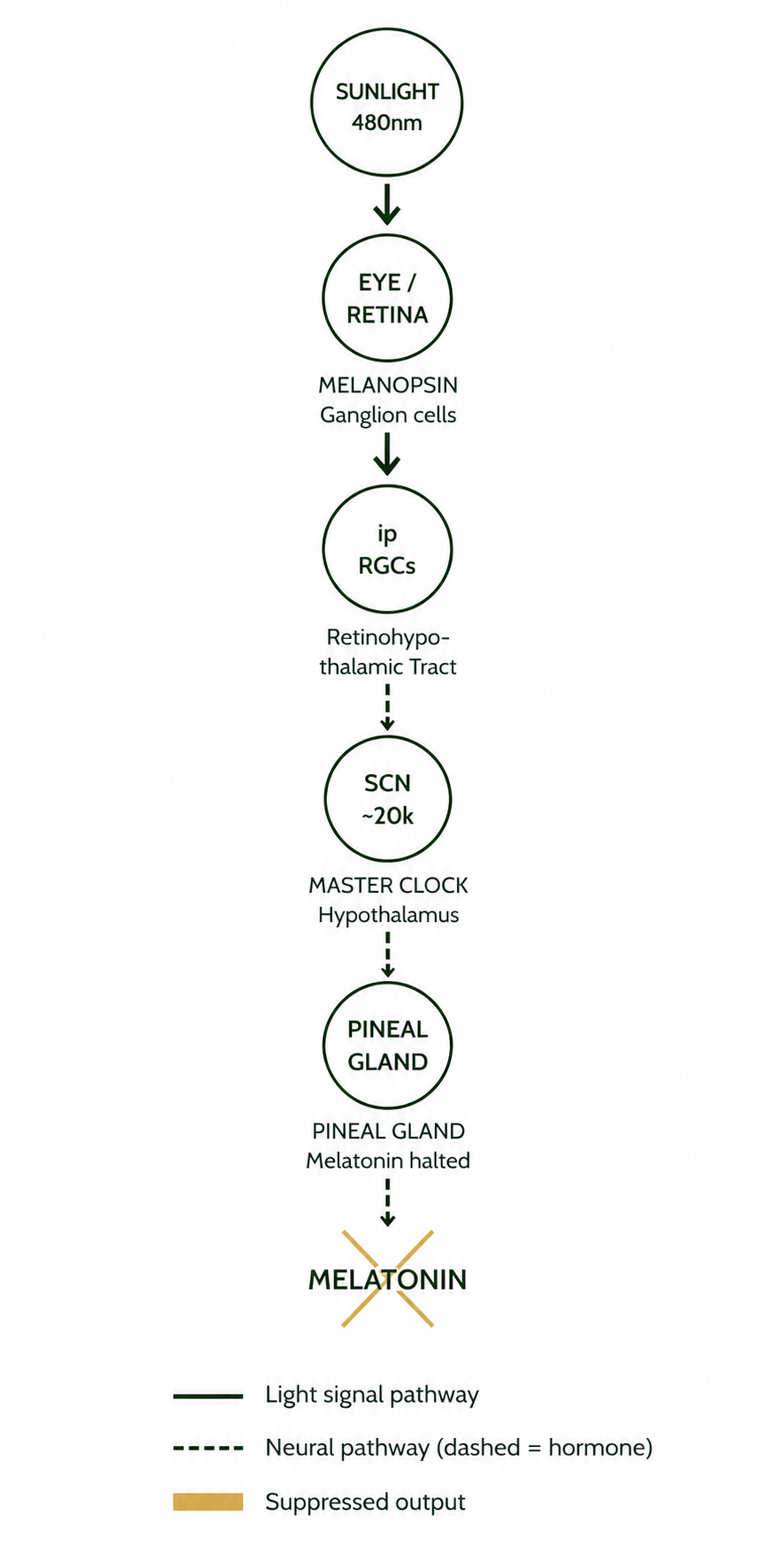
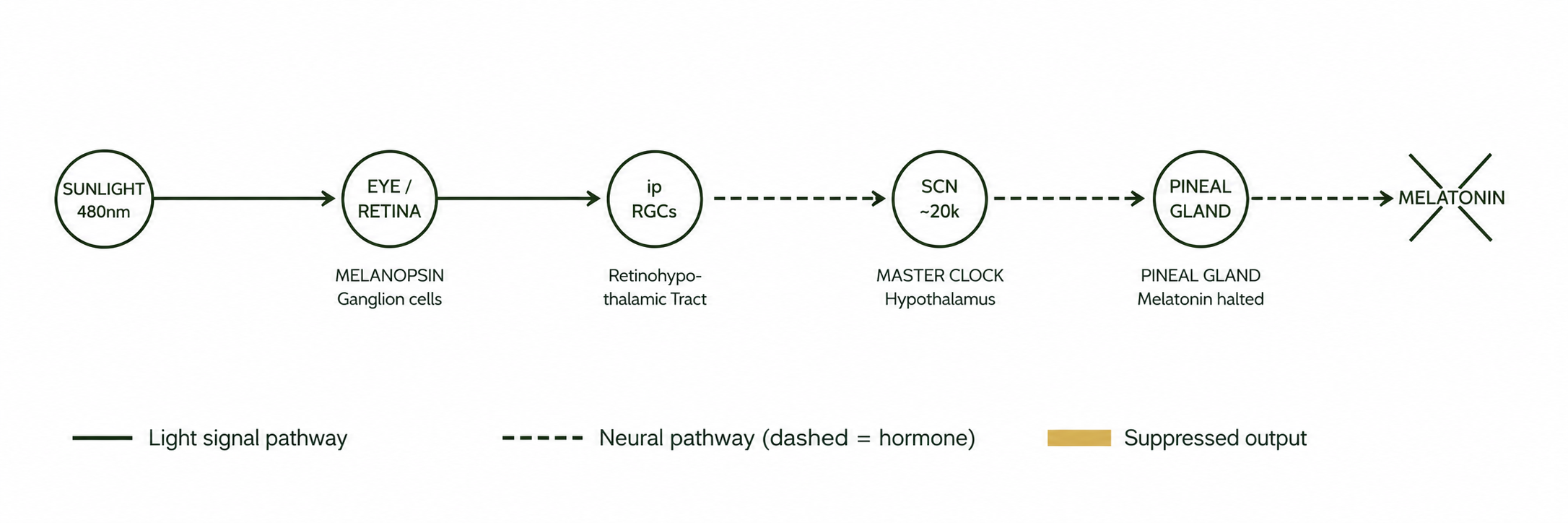
THE LIGHT PATHWAY: Sunlight → Retina → Brain → Sleep
This is not a supplement. It is not a biohack requiring expensive equipment. It is simply restoring a conversation between your eyes and your biology that has existed for hundreds of thousands of years — and that the indoor modern lifestyle has quietly severed.
"The morning light you absorb today is the melatonin signal you feel tonight. Every good night's sleep begins at sunrise."
— THE WELLIONAIRES CLUB
The Protocol
• Step outside within the first hour of waking — before screens if possible.
• 10 minutes on a bright day, 20 minutes on a cloudy day. Cloud-filtered light vastly outperforms indoor lighting.
• No sunglasses — light must reach the ipRGCs. No glass windows. Glass filters the activating wavelengths.
• Stack it with a morning walk, tea in the garden, or gentle movement. Make it a ritual.
• Consistency over perfection. Five days out of seven will shift sleep and energy within two weeks
Morning light is arguably the most underrated wellness intervention available to every person on the planet. It costs nothing, requires no willpower after the first week, and pays dividents across energy, mood, focus, hormonal balance, immunity, and longevity.
So tomorrow morning, before the phone, before the news, before the rush, open your front door, titlt your face gently upward, and let the sky do what it was designed to do. Your cells have been waiting for this signal since the moment you were born.
THE SCIENCE BEHIND THE PRESCRIPTION
I. MELANOPSIN & ipRGCs
The photopigment melanopsin, expressed in ipRGCs, was identified as the primary non-visual light detector driving circadian photoentrainment. These cells are maximally sensitive to short-wavelength (blue) light around 480nm — precisely the wavelength dominant in early morning sky light.
II. CIRCADIAN PHASE RESETTING
Exposure to bright light in the morning advances the circadian phase, making it easier to fall asleep and wake at consistent times. The phase-shifting effect is greatest within the first two hours after waking.
III. CORTISOL AWAKENING RESPONSE
Morning light amplifies the cortisol awakening response (CAR) — a natural surge occurring 30–45 minutes after waking. A robust CAR is associated with improved immune function, cognitive performance, and stress resilience.
IV. MELATONIN SUPPRESSION & TIMING
Bright morning light acutely suppresses residual melatonin and — critically — sets the biological timer for melatonin to rise again 12–16 hours later, improving both sleep quality and next-day alertness.
references
1. Hattar S, et al. (2002). Melanopsin-containing retinal ganglion cells. Science, 295(5557), 1065–1070.
2. Brainard GC, et al. (2001). Action spectrum for melatonin regulation in humans. Journal of Neuroscience, 21(16), 6405–6412.
3. Wright KP Jr, et al. (2013). Entrainment of the human circadian clock to the natural light-dark cycle. Current Biology, 23(16), 1554–1558.
4. Leproult R, et al. (2001). Transition from dim to bright light induces elevation of cortisol levels. Journal of Clinical Endocrinology & Metabolism, 86(1), 151–157.
5. Wehr TA, et al. (2001). Suppression of human circadian function by bright light as a function of timing. Brain Research, 919(1), 68–76.
6. Khalsa SB, et al. (2003). A phase response curve to single bright light pulses in human subjects. Journal of Physiology, 549(3), 945–952.
7. Viola AU, et al. (2008). Blue-enriched white light improves alertness, performance and sleep quality. Scandinavian Journal of Work, Environment & Health, 34(4), 297–306.
8. Czeisler CA & Gooley JJ. (2007). Sleep and circadian rhythms in humans. Cold Spring Harbor Symposia on Quantitative Biology, 72, 579–597.
9. Zeitzer JM, et al. (2000). Sensitivity of the human circadian pacemaker to nocturnal light. Journal of Physiology, 526(3), 695–702.
10. Huberman AD. (2021). Using light for health. Huberman Lab Podcast, Stanford University.
Wellion 16
10–30 MINUTES · GRASS · SAND · EARTH · FREE FOREVER
Barefoot walking
"Take off your shoes. Step onto the earth. In that single act your body begins a cascade of healing that modern science is only now beginning to measure."
For most of human history, bare skin touched bare earth every single day. Our feet were the interface between body and ground — conducting, sensing, and connecting. Shoes changed everything. And the science now suggests that disconnecting from the earth may have come at a significant biological cost. The prescription is ancient and free: walk barefoot on natural ground for 10 to 30 minutes each day. Grass. Sand. Soil. The living surface of the planet. What happens next inside your body is remarkable.
HOW YOUR BODY CONNECTS TO THE EARTH
I. THE EARTH AS A FREE ELECTRON RESERVOIR
The surface of the earth carries a virtually limitless supply of free electrons — negatively charged particles maintained by global lightning activity and solar radiation. Direct skin contact allows these electrons to flow into the body.
II. CONDUCTIVE PATHWAYS IN THE BODY
The human body is electrically conductive. When the bare foot contacts moist earth, electrons travel through the skin into bodily fluids and tissues — reaching virtually every cell within minutes.
III. NEUTRALISING FREE RADICALS
Free radicals are positively charged molecules that damage cells, accelerate ageing, and drive inflammation. Earth electrons are negatively charged — they neutralise free radicals on contact, acting as the most ancient and abundant antioxidant system available to the human body.
IV. REDUCING CHRONIC INFLAMMATION
Chronic low-grade inflammation underlies virtually every modern disease — from cardiovascular disease to diabetes to depression. Grounding has been shown in multiple studies to measurably reduce inflammatory markers, including cortisol levels, CRP, and white blood cell counts.
V. REGULATING THE AUTONOMIC NERVOUS SYSTEM
Grounding shifts the body from sympathetic dominance (fight-or-flight) toward parasympathetic activity (rest-and-repair). Heart rate variability improves, cortisol rhythms normalise, and sleep architecture deepens — often within a single session.
THE GROUNDING PATHWAY: Earth → Body → Healing
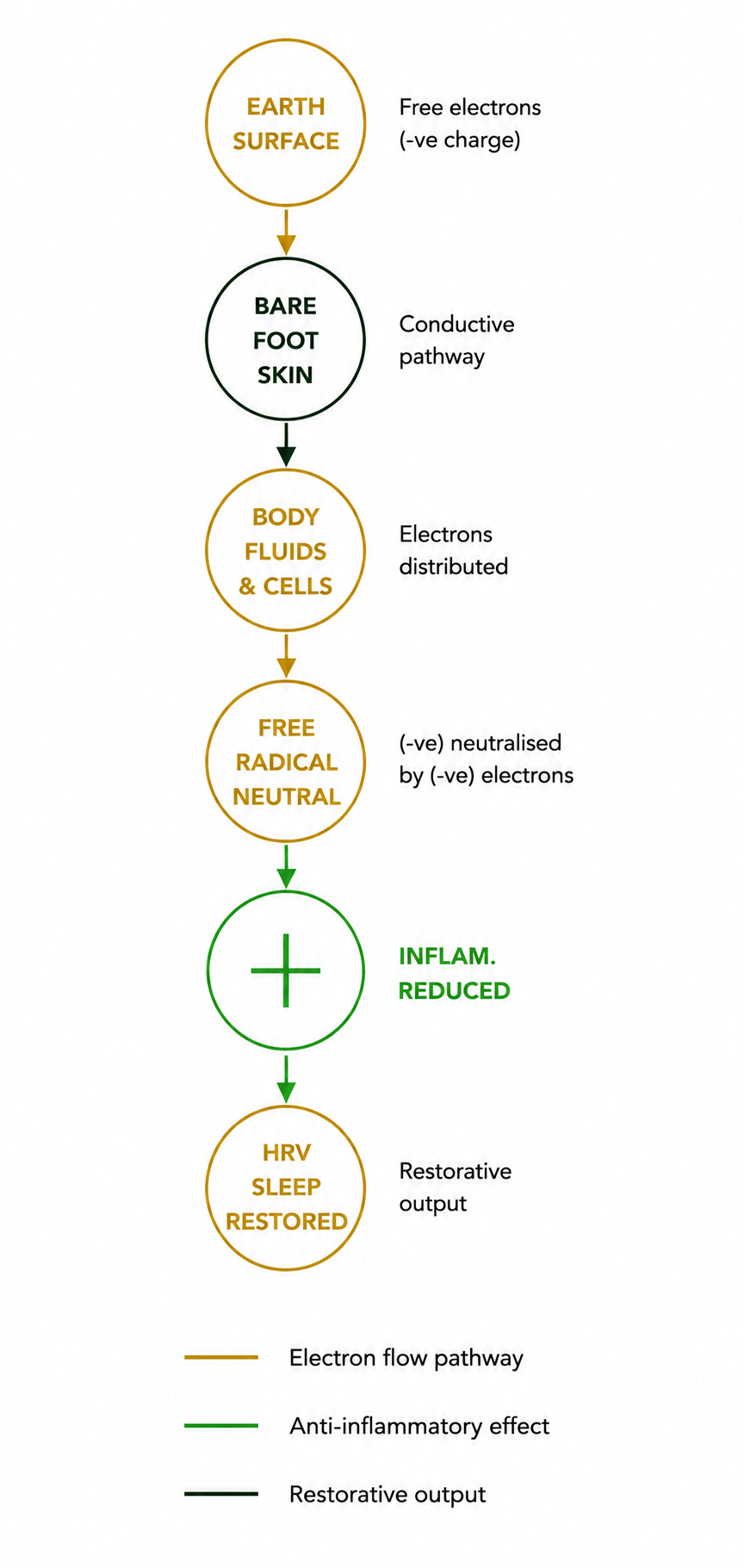
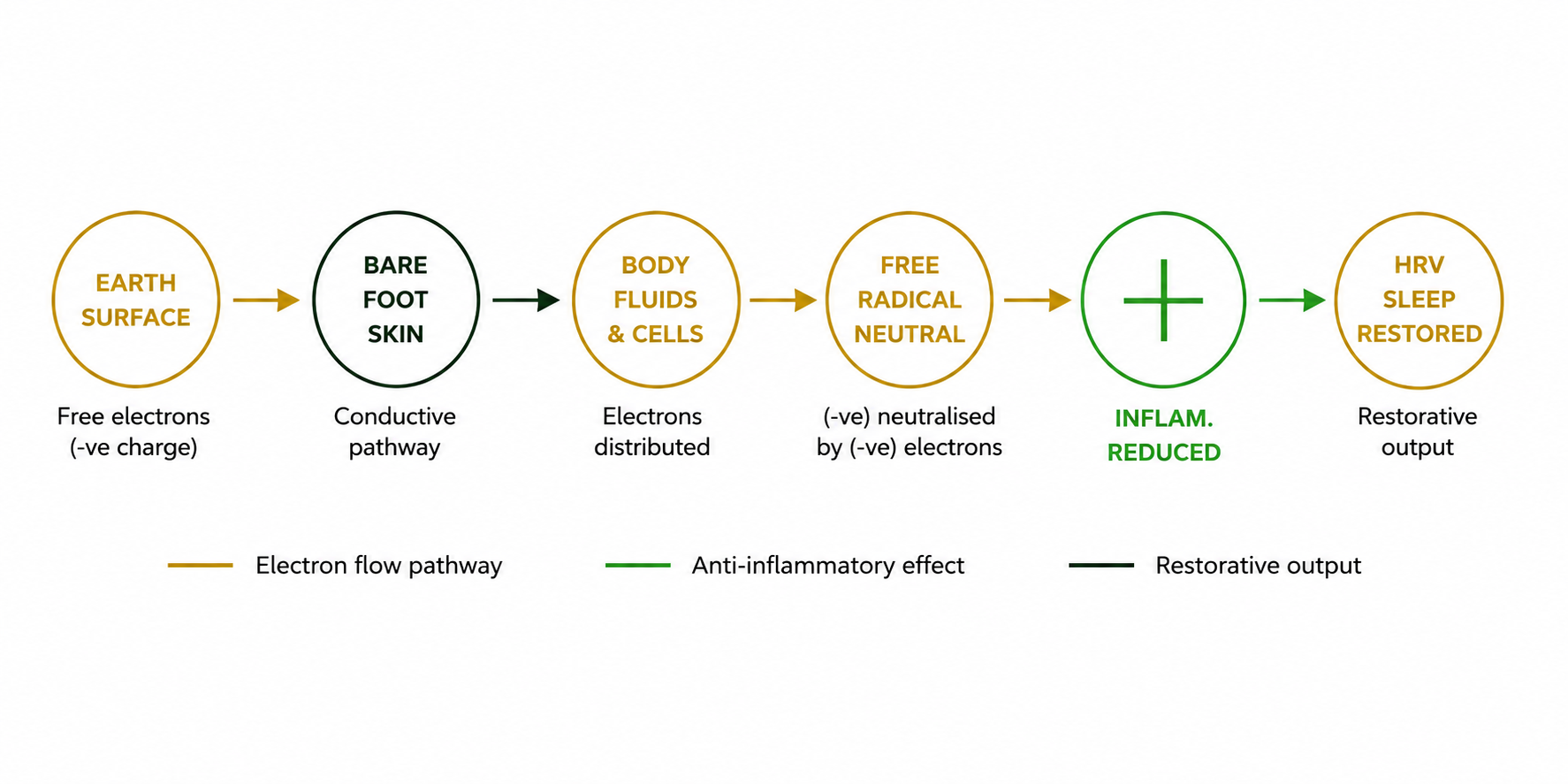
Fig. 1 — The Grounding Pathway: Earth Surface → Bare Foot → Body Cells → Free Radical Neutralisation → Inflammation Reduced → HRV & Sleep Restored
This is not a wellness trend. It is a return to something the human body was designed for across millions of years of evolution — and has been quietly deprived of since the invention of rubber-soled shoes in the twentieth century.
"The earth is not just the ground beneath your feet. It is a living electrical system — and your body was designed to plug into it every day." — THE WELLIONAIRES CLUB
Your daily Protocol
Step onto grass, sand, soil, or stone — any natural conductive surface works.
10 minutes minimum on a dry day; 20–30 minutes for deeper effect. Wet ground conducts better.
No shoes, no socks. Rubber and synthetic soles are insulators — they block the connection completely.
Stand, walk slowly, or sit. Stillness works just as well as movement. Let your feet fully relax.
Consistency compounds. Daily practice over weeks produces measurable changes in sleep and inflammation
Barefoot walking is one of the few interventions in wellness that is simultaneously free, effortless, ancient, and backed by a growing body of peer-reviewed science. It costs nothing. It requires no equipment. It asks only that you step outside and make contact with the planet you live on. So tomorrow morning — or this evening, or right now — find a patch of grass, remove your shoes, and stand. Feel the texture of the ground. Let the earth do what it has always been designed to do for your body. Your cells will notice within minutes.
THE SCIENCE BEHIND THE prescription
I EARTHING & INFLAMMATION
Chevalier et al. (2012) demonstrated that grounding significantly reduces markers of inflammation and pain in subjects with chronic inflammatory conditions. Infrared imaging showed measurable reduction in facial inflammation within 30 minutes of grounding.
II CORTISOL NORMALISATION
A double-blind pilot study found that grounded subjects showed significant normalisation of the 24-hour cortisol secretion profile — the stress hormone that, when dysregulated, drives fatigue, weight gain, immune suppression, and accelerated ageing.
III BLOOD VISCOSITY & CARDIOVASCULAR HEALTH
Grounding increases the surface charge (zeta potential) of red blood cells, reducing their tendency to clump. Clumped red blood cells are a primary driver of cardiovascular disease. Even one hour of grounding produces measurable improvements in blood viscosity.
IV SLEEP & NERVOUS SYSTEM RECOVERY
Participants sleeping grounded reported significantly improved sleep quality, reduced pain and stress, and faster recovery from exercise. EEG and EMG studies confirm that grounding shifts brain and muscle activity toward relaxed, parasympathetic states within minutes of contact.
references
1. Chevalier G, et al. (2012). Earthing: Health implications of reconnecting the human body to the Earth's surface electrons. Journal of Environmental and Public Health, 2012, Article 291541.
2. Ghaly M & Teplitz D. (2004). The biologic effects of grounding the human body during sleep. Journal of Alternative and Complementary Medicine, 10(5), 767–776.
3. Chevalier G & Sinatra ST. (2011). Emotional stress, heart rate variability, grounding, and improved autonomic tone. Integrative Medicine, 10(3), 16–21.
4. Oschman JL, et al. (2015). The effects of grounding (earthing) on inflammation, the immune response, wound healing. Journal of Inflammation Research, 8, 83–96.
5. Sokal K & Sokal P. (2011). Earthing the human body influences physiologic processes. Journal of Alternative and Complementary Medicine, 17(4), 301–308.
6. Brown R, et al. (2010). Grounding after moderate eccentric contractions reduces muscle damage. Open Access Journal of Sports Medicine, 1, 305–312.
7. Chevalier G. (2015). The effect of grounding the human body on mood. Psychological Reports, 116(2), 534–542.
8. Sinatra ST, et al. (2017). Grounding — the universal anti-inflammatory remedy. Biomedical Journal, 40(1), 11–16.
9. Menigoz W, et al. (2020). Integrative and lifestyle medicine strategies should include earthing. Explore: The Journal of Science and Healing, 16(3), 152–160.
10. Chevalier G, et al. (2013). Earthing (grounding) the human body reduces blood viscosity. Journal of Alternative and Complementary Medicine, 19(2), 102–110
Wellion 14
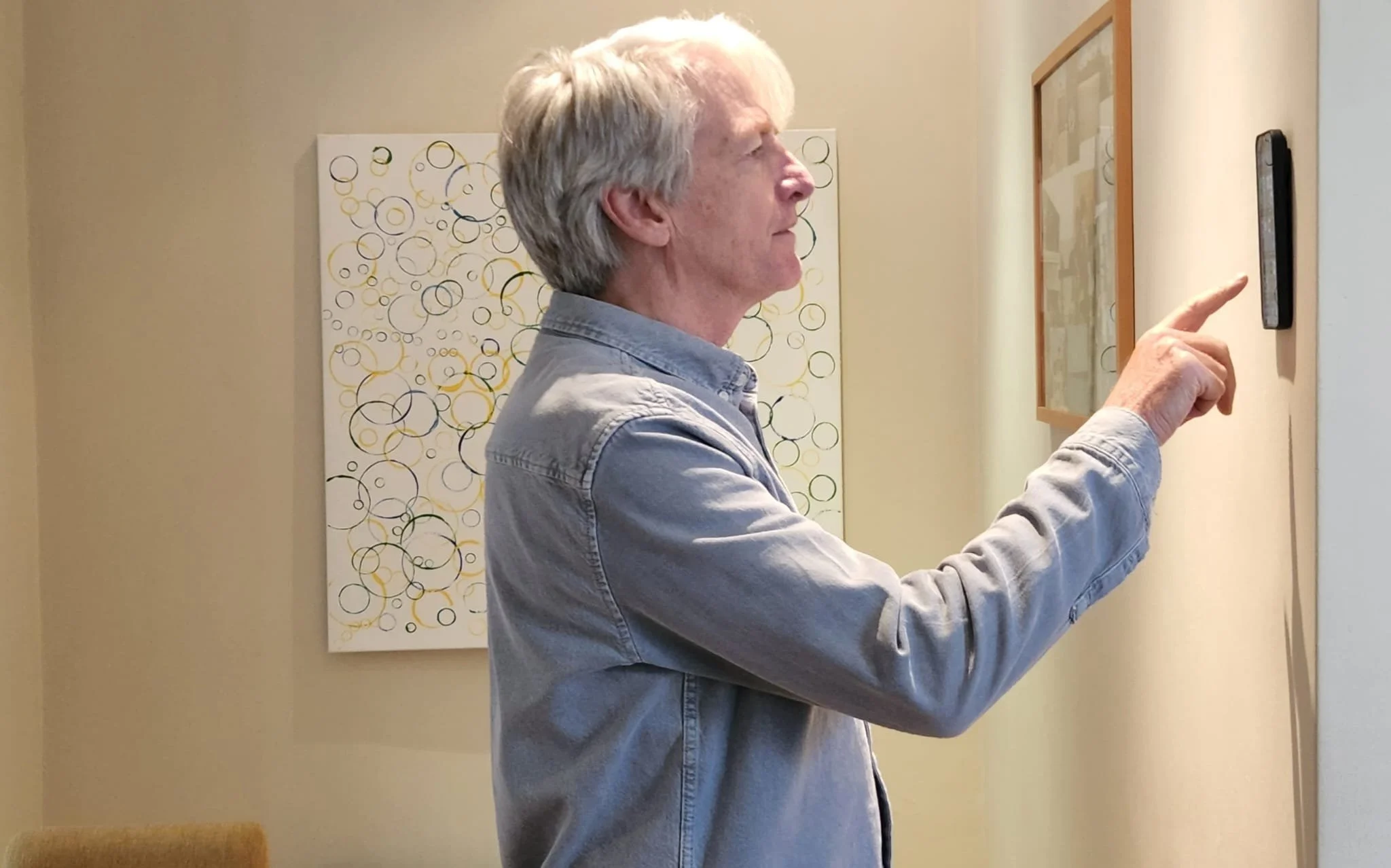
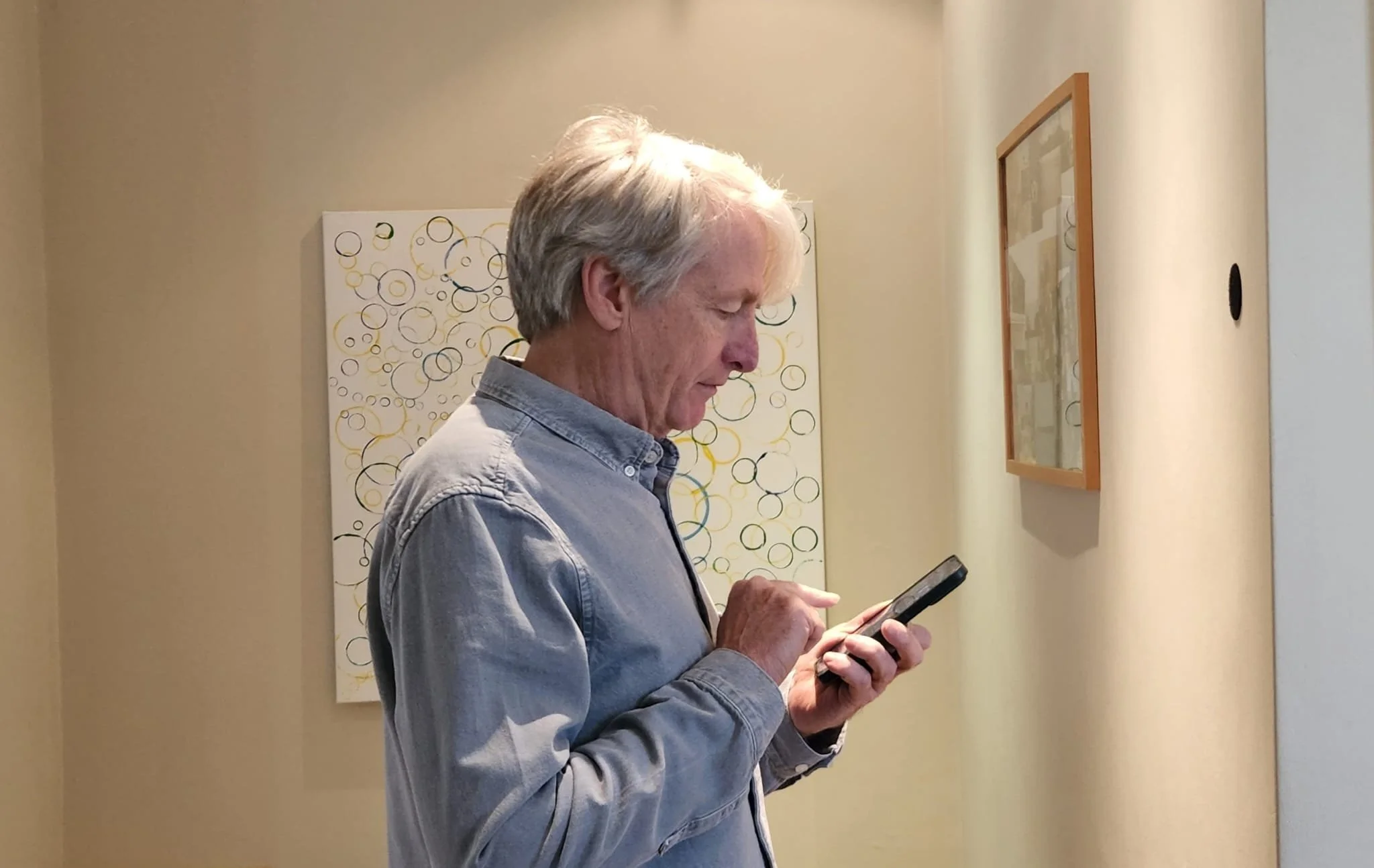
The above photos illustrate Wellion 14 nicely. With a little patch of Velcro or a suction device secure your phone to the wall at eye level. You can source round spots of Velcro from that shop that sounds like a river in Brazil.
Use your non dominant hand to work your phone while at eye level,thereby improving posture and at the same time activating some low level neuroplasticity.
Wellion 21
FASTING MIMICKING DIET & BREAST CANCER
A growing body of clinical evidence shows that the Fasting Mimicking Diet (FMD) can help breast cancer patients respond better to treatment, tolerate chemotherapy more easily, and — in some cases — help overcome resistance to hormone therapy. This guide explains what the research means for you.
What is the fasting mimicking diet
The Fasting Mimicking Diet (FMD) was developed by Professor Valter Longo at the University of Southern California. The key idea is simple: you don't need to completely stop eating to get many of fasting's benefits. By reducing calories to around 700–1,100 kcal per day from plant-based foods for just five days, your body shifts into a fasting-like state — while you continue to eat. You eat normally on all other days. There is no ongoing calorie restriction. The FMD is repeated in cycles — typically once a month — giving your body repeated biological 'resets' while you maintain your normal lifestyle between cycles.
DAy 1
1,100 kcal Plant-based soups, olives, nuts, herbal teas
DAy 2 - 5
700 kcal/day Same plant-based foods, low protein and carbs
DAy 6 onwards
Normal diet No restriction at all. Return to eating as usual
Repeat monthly. Biological reset — not prolonged caloric deficit.
What changes in your body during a fasting mimicking diet
Growth signals fall: Levels of IGF-1, insulin and leptin — hormones that can drive cancer cell growth — drop significantly.
Cellular clean-up begins: A process called autophagy ramps up, where cells clear out damaged components — a kind of internal spring clean.
Immune system activates: The immune cells that fight cancer (CD8+ T cells, NK cells) become more active.
Cancer cells are stressed, normal cells are protected: Cancer cells struggle to adapt to the reduced nutrients; your healthy cells enter a protective mode.
About 75% of breast cancers are hormone receptor-positive (HR+) — meaning they grow in response to oestrogen or progesterone. Most patients with HR+ breast cancer are treated with hormone-blocking medicines such as tamoxifen, fulvestrant, or aromatase inhibitors.
FMD and Hormone Therapy
"Fasting or FMD combined with hormone therapy promoted long-lasting tumour regression and reversed resistance to treatment — even in cancers that had stopped responding."
What the research found:
Source: Di Biase et al., Nature, 2020
I ~ Hormone therapy worked better When FMD was added to tamoxifen or fulvestrant, cancer cells were more effectively killed. The combination was more powerful than either treatment alone.
II ~ Resistance was reversed Some cancers stop responding to hormone therapy over time. FMD — combined with fulvestrant and a CDK4/6 inhibitor — was able to reverse this resistance in laboratory studies.
III ~ A helpful side-effect benefit FMD prevented a known side effect of tamoxifen — abnormal thickening of the womb lining (endometrial hyperplasia) — in animal studies.
IV ~ Confirmed in patients Women with HR+ breast cancer who tried the FMD showed the same changes in blood hormones (↓ IGF-1, insulin, leptin) as seen in the laboratory.
The Newest Discovery — Nature, December 2025
Scientists have just discovered a new reason why fasting makes hormone therapy work better. When combined with endocrine therapy, fasting triggers a major resetting of gene activity in breast cancer cells — activating a pathway involving the glucocorticoid receptor that suppresses tumour growth and resistance. This opens the door to entirely new treatment combinations.
FMD During Chemotherapy
One of the most consistent findings across multiple clinical trials is that doing the FMD around the time of chemotherapy can reduce side effects and may improve how well the treatment works.
The DIRECT Trial — Nature Communications, 2020
This was a randomised controlled trial — the gold standard of medical research — involving 131 breast cancer patients in the Netherlands. Patients either followed the FMD for 3 days before and during each chemotherapy cycle, or ate normally. The results were striking:
↑
Better tumour response More FMD patients achieved better radiological responses on scans
↓
Less DNA damage in healthy cells Chemotherapy caused significantly less damage to normal cells — a protective effect
↑
Better pathological response (HR+ HER2−) More patients in the FMD group showed complete pathological response
"FMD consistently reduced severe vomiting, neutropenia, fatigue and insomnia — and improved quality of life scores."
Confirmed again in a second RCT — Frontiers in Nutrition, 2024
Source: de Groot, Lugtenberg et al., Nature Communications, 2020
A randomised trial of 44 HER2-negative breast cancer patients confirmed the DIRECT findings. Patients on FMD had significantly less severe vomiting and neutropenia compared to those eating normally. They also showed lower blood glucose and reduced inflammation (CRP).
FMD and the Most Challenging Subtype
Triple-negative breast cancer (TNBC) is the most aggressive form. It doesn't have oestrogen, progesterone or HER2 receptors, so hormone therapy and HER2-targeted drugs don't work. Chemotherapy is the main treatment — making the side-effect and response benefits of FMD particularly valuable here.
"Adding FMD to chemotherapy was associated with better overall survival in advanced triplenegative breast cancer patients."
Source: Ligorio et al., International Journal of Cancer, 2024
How FMD helps in TNBC:
I ~ Immune system boost FMD increased the activity of cancer-fighting immune cells (CD8+ T cells, NK cells and memory T cells) both in the bloodstream and inside the tumour itself.
II ~ Lasting tumour control The immune activation triggered by FMD may provide durable control of tumour growth — even after the chemotherapy course has ended.
III ~ Predictive marker identified A 2025 study found that early changes in tumour sugar metabolism during FMD could predict whether chemotherapy would work — helping doctors personalise treatment.
Active Clinical Trial NCT06610565 — European Institute of Oncology, Milan Recruiting post-menopausal women with early-stage ER+ breast cancer on aromatase inhibitors. Testing whether FMD cycles reduce the side effects of aromatase inhibitor therapy. Recruiting now — results expected 2027.
Is FMD Right for Me?
FMD is not suitable for everyone. Always discuss with your oncologist or GP before starting. Here is a simple guide to who may benefit and who should take extra care.
Who may benefit most
✓ Patients with HR+ breast cancer on hormone therapy
✓ Patients about to start or currently on chemotherapy
✓ Patients with triple-negative breast cancer on chemotherapy
✓ Those with a healthy BMI (18.5–30) and good nutritional status
✓ Motivated individuals who can commit to 5 structured days
Take extra care — discuss with your team
✗ Underweight or significant weight loss already
✗ History of eating disorders
✗ Uncontrolled diabetes
✗ Pregnancy
✗ Severe kidney impairment
✗ Recent major surgery
What to Expect?
I ~ Common experiences during FMD: Mild hunger, tiredness and occasional headache — especially in the first cycle. These are usually transient and improve with each subsequent cycle.
II ~ Side effects are generally mild: Across all clinical trials, no serious adverse events were attributed to FMD. Serious toxicity from chemotherapy was significantly reduced, not increased.
III ~ Medications: Do not stop or alter any prescribed cancer treatment because of FMD. The FMD works alongside your existing treatment, not instead of it.
IV ~ Dietitian support: Ideally, discuss with a dietitian experienced in oncology before starting. They can help adapt the protocol to your specific situation.
references
1. Di Biase S et al. Fasting-mimicking diet and hormone therapy induce breast cancer regression. Nature. 2020;581:303–308.
2. de Groot S, Lugtenberg RT et al. Fasting mimicking diet as adjunct to neoadjuvant chemotherapy: the DIRECT trial. Nature Communications. 2020;11:3083.
3. Ligorio F et al. FMD + carboplatin-gemcitabine improves overall survival in advanced TNBC. International Journal of Cancer. 2024;154(1):114–123.
4. Bahrami A et al. Fasting mimicking diet during neo-adjuvant chemotherapy in breast cancer: RCT. Frontiers in Nutrition. 2024;11:1483707.
5. [Authors TBC]. Fasting boosts breast cancer therapy via glucocorticoid receptor activation. Nature. December 2025.
6. Vernieri C et al. FMD is safe and reshapes metabolism and antitumour immunity in cancer. Cancer Discovery. 2022;12:90–107.
7. NCT06610565. FMD and aromatase inhibitor side effects. European Institute of Oncology. 2024–2027.
Wellion 45
Constipation help with Chia Seeds
Take 30 grammes of Chia seeds each morning, best soaked in yoghurt overnight.
Easily available in most stores - buy organic when possible.
Add a kiwi fruit daily as well as 1.5 Litres of fluid daily.
If symptoms are new or you suffer from abdominal pain make sure you see your healthcare practitioner for advice.
The Protocol
Wellion 18
GKI: A Window into Mitochondrial Health
What Is the Glucose Ketone Index?
The Glucose Ketone Index (GKI) is a single number that captures the balance between two fuels your cells can run on: glucose and the ketone β-hydroxybutyrate (βHB).
GKI = blood glucose (mmol/L) ÷ blood βHB (mmol/L)
It was developed by Joshua Meidenbauer, Purna Mukherjee, and Thomas Seyfried at Boston College and published in Nutrition & Metabolism in 2015, originally to track how deeply a brain cancer patient was in a therapeutic ketogenic state — exploiting the fact that many cancer cells rely heavily on glucose and struggle to use ketones for fuel. Glucose or ketones alone are snapshots that shift with a meal, stress, or time of day. Their ratio is more stable — it tells you which fuel your metabolism is favouring right now.
The Mitochondrial Science
A July 2026 review in Frontiers in Science, led by the same Seyfried group, extends GKI's role well beyond oncology — proposing it as a broader window into mitochondrial and metabolic health for anyone, not just patients on therapeutic protocols.
● βHB is a more efficient mitochondrial fuel than glucose. Gram for gram it supports ATP generation more effectively than glucose-derived pyruvate, easing the load on mitochondrial machinery.
● Mitochondrial dysfunction sits upstream of major chronic disease. Impaired cellular energy production is linked to cancer, cardiovascular disease, type 2 diabetes, obesity, and neurodegenerative disease — with poor diet, inactivity, and environmental toxins as contributing drivers.
● βHB does more than fuel — it signals. Emerging evidence points to βHB supporting mitochondrial network fusion and cristae structure (via regulators like OPA1), alongside anti-inflammatory signalling and reduced oxidative stress.
● A lower GKI, sustained appropriately, tracks with a healthier metabolic profile. Associated with reduced inflammation, improved insulin sensitivity, and lower oxidative stress — the opposite of the picture seen in mitochondrial dysfunction.
The authors frame this as a hypothesis-generating, mechanistically grounded proposal — not yet a settled clinical marker.
Reading Your GKI — An Important Caveat
GKI | Metabolic State
> 9 | Standard mixed-fuel metabolism
6 – 9 | Mild ketosis
3 – 6 | Moderate ketosis
1 – 3 | Deep (therapeutic) ketosis
< 1 | Very deep ketosis (oncology / neurology protocols)
Why these bands need care: these were derived from strict ketogenic diets and clinical fasting protocols where ketone elevation runs high. Most people on a normal or moderately low-carb diet won't see these numbers, and lower-intensity fasting produces only modest ketone elevation — that's expected, not a sign nothing is happening.
How to actually use it: As a personal trend line, not a target. The value is in watching your own GKI shift over days and weeks in response to what you eat, how active you are, and how you sleep — a repeatable signal of your metabolic flexibility over time, without importing thresholds built for a different context.
Measuring GKI with Keto-Mojo
We recommend the Keto-Mojo GK+, an FDA-cleared, dual-function meter that reads both blood glucose and blood βHB from a single fingerstick, and calculates GKI automatically via its companion app.
How it works, in brief:
1. Clean and dry the fingertip; prick with the lancing device.
2. Apply the blood droplet to the glucose strip — result in ~5 seconds.
3. Apply a second droplet to the ketone strip — result in ~9 seconds.
4. The Bluetooth-connected app logs both readings and calculates your GKI automatically, building a trend graph over time.
Practical Tips
Test fasted, first thing in the morning, before food or coffee, at roughly the same time each day for comparability.
Expect morning readings can run higher than expected — cortisol and growth hormone naturally raise glucose overnight (the "dawn phenomenon").
Blood βHB (finger-prick), not breath or urine ketones, is required for a valid GKI.
This is a personal wellness tracking tool, not a diagnostic test — it doesn't replace clinical assessment or bloodwork.
Making GKI Part of Your Routine
● Start with a baseline. A few fasted morning readings under your normal diet, before changing anything.
● Test periodically, not obsessively. A few times a week is usually enough to see a trend; daily testing suits anyone actively experimenting with diet or fasting changes.
● Track the direction of travel, not the absolute number. A gradually falling GKI over weeks or months is the meaningful signal.
● Use it around any change you're testing. Lower carbohydrate intake, more exercise, weight loss, or intermittent fasting — to see whether it's shifting your metabolism as expected.
references
1. Meidenbauer JJ, Mukherjee P, Seyfried TN. The glucose ketone index calculator: a simple tool to monitor therapeutic efficacy for metabolic management of brain cancer. Nutr Metab (Lond). 2015;12:12.
2. Evangeliou AE, Seyfried TN, et al. The glucose ketone index: a proposed quantitative biomarker to support cancer and chronic disease prevention and management. Front Sci. 2026;4:1763395.